
Gatsby Benchmark Seven
Encounters with Further and Higher Education
All learners should understand the full range of learning opportunities that are available to them, including academic, technical and vocational routes. This should incorporate learning in schools, colleges, ITPs, universities and in the workplace.
Schools
- By the age of 16, every learner should have had meaningful encounters with providers of the full range of learning opportunities, including sixth forms, colleges, universities and ITPs.
- By the age of 18, all learners who are considering applying to higher education should have had at least 2 visits to higher education providers to meet staff and learners.
Colleges
- By the end of their programme of study, every learner should have had a meaningful encounter with a range of providers of learning and training that may form the next stage of their career. This should include, as appropriate, FE colleges, universities and ITPs. This should include the opportunity to meet both staff and learners.
Making it meaningful
A meaningful encounter gives the young person the opportunity to explore what it is like to learn, develop and succeed in that environment. This should include the opportunity to meet both staff and learners/trainees. Throughout a careers programme, encounters should be sequenced so that a young person can build up a clear picture of opportunities available to them. Experiences or encounters could be in person or a combination of in person and virtual, and could include providers delivering sessions in a school, college or ITP, as well as young people visiting the provider. Young people and providers should be supported to prepare for the encounter. Additional or different support may be needed for vulnerable and disadvantaged young people and for young people with SEND.
A meaningful encounter will:
- Have a clear purpose, which is shared with the provider and the young person.
- Be underpinned by learning outcomes that are appropriate to the needs of the young person.
- Involve a two-way interaction between the young person and the provider.
- Include information about the provider, such as their recruitment and selection processes, the qualifications that provider offers and the careers these could lead to.
- Describe what learning or training with the provider is like.
- Be followed by opportunities for the young person to reflect on the insights, knowledge or skills gained through the encounter.
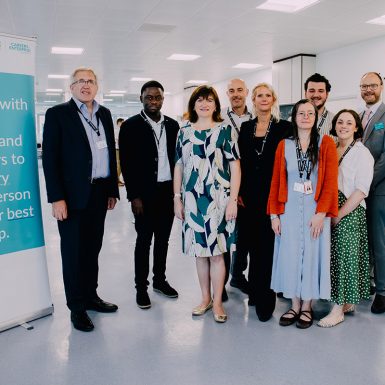

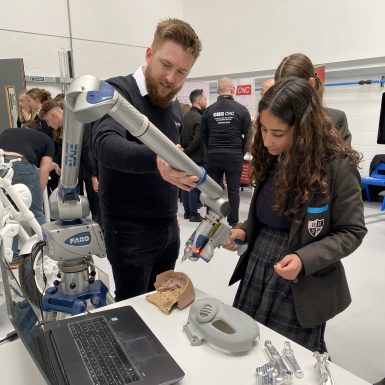
T Level Ambassadors
The T Level Ambassador Network is a vibrant community dedicated to promoting technical education and strengthening the link between industry and education. It brings together employers, providers and students from across England who are passionate about developing future skills and shaping technical education
To request support for an event, school assembly, careers fair etc please email: hello@tlevelambassadors.co.uk
Join the T Level Ambassador Network – T Levels and industry placement support for employers